

Mastering Pneumatic Air Tools: Tips for Optimal Performance
Understanding the Mechanics of Pneumatic Tools
Pneumatic tools, often referred to as air tools, operate by harnessing the power of compressed air. At the core of these tools is a simple yet ingenious mechanism that converts the energy from compressed air into mechanical motion. This transformation typically involves a series of pistons, turbines, or impellers that move in response to the pressurized air. The result is a tool that can perform tasks such as drilling, sanding, and wrenching with remarkable efficiency and power. The basic principle remains consistent across different types of pneumatic tools, although the specific design and components may vary.
The heart of the pneumatic system is the air compressor, which generates the necessary pressurized air. The air compressor draws in ambient air, compresses it to a higher pressure, and stores it in a tank. When the pneumatic tool is activated, the compressed air is released through a hose, propelling the tool’s internal mechanisms. The hose is a critical component, as it must be durable and flexible enough to handle the high pressure while allowing easy maneuverability. The flow of air is regulated by valves and triggers within the tool, giving the user precise control over its operation.
One of the key advantages of pneumatic tools is their simplicity and durability. Unlike their electric counterparts, pneumatic tools have fewer moving parts that are susceptible to wear and tear. This makes them more reliable in harsh environments and reduces the need for frequent maintenance. Additionally, the absence of an internal motor means that pneumatic tools are generally lighter and more compact, making them easier to handle for extended periods. Understanding the mechanics behind these tools is essential for anyone looking to optimize their performance and extend their lifespan.
Advantages of Using Pneumatic Air Tools
Pneumatic air tools offer a range of advantages that make them indispensable in various professional and DIY settings. One of the most compelling benefits is their power-to-weight ratio. Pneumatic tools deliver high torque and speed without the bulk and weight associated with electric tools. This makes them ideal for tasks that require precision and endurance, such as automotive repair, woodworking, and metalworking. The lightweight nature of these tools minimizes user fatigue, allowing for longer work sessions without compromising on performance.

Another significant advantage is the consistency and reliability of pneumatic tools. Because they rely on compressed air rather than electricity, they are less prone to overheating and can operate continuously for extended periods. This makes them particularly useful in industrial settings where downtime can be costly. Additionally, pneumatic tools are less affected by fluctuating power supplies, ensuring consistent performance even in areas with unstable electrical grids. This reliability extends to their durability, as pneumatic tools are built to withstand harsh conditions and heavy use.
Cost-effectiveness is another major benefit of pneumatic tools. While the initial investment in an air compressor and accessories can be substantial, the long-term savings are considerable. Pneumatic tools tend to have a longer lifespan than their electric counterparts, reducing the need for frequent replacements. Moreover, the lower maintenance requirements and fewer repairs translate to reduced operating costs over time. For businesses and hobbyists alike, the combination of durability, reliability, and cost-efficiency makes pneumatic tools a smart investment.

Optimizing Performance: Air Pressure and Flow Rates
To achieve optimal performance from your pneumatic tools, it's crucial to understand the relationship between air pressure and flow rates. Air pressure, measured in pounds per square inch (PSI), determines the force with which the compressed air is delivered to the tool. Flow rate, measured in cubic feet per minute (CFM), indicates the volume of air that is supplied. Both factors are interdependent and must be balanced to ensure that your pneumatic tools operate efficiently and effectively.
The first step in optimizing performance is to identify the recommended PSI and CFM ratings for each tool. These specifications are usually provided by the manufacturer and can be found in the tool’s manual or on its label. Operating a tool below its recommended PSI can result in inadequate power, making it less effective at performing its intended task. Conversely, exceeding the recommended PSI can cause excessive wear and potentially damage the tool. Ensuring that your air compressor and hoses are capable of delivering the required PSI and CFM is essential for maintaining optimal performance.
Regular maintenance of your air compressor and pneumatic tools is also critical for ensuring consistent performance. This includes checking and replacing air filters to prevent contaminants from entering the system, draining the air compressor tank to remove accumulated moisture, and inspecting hoses and connections for leaks. Leaks can significantly reduce the efficiency of your pneumatic system by allowing compressed air to escape, resulting in lower pressure and flow rates. Addressing these issues promptly can help maintain the desired performance levels and extend the lifespan of your equipment.
Using the right accessories and attachments can further enhance the performance of your pneumatic tools. For example, installing a regulator allows you to adjust the air pressure according to the specific requirements of each tool, providing greater control and precision. Similarly, using high-quality hoses and connectors ensures that the airflow is not restricted, maximizing the efficiency of your pneumatic system. By paying attention to these details, you can unlock the full potential of your pneumatic tools and achieve superior results in your projects.

Essential Pneumatic Air Tools for Every Workshop
A well-equipped workshop should include a variety of pneumatic air tools to handle different tasks with ease and precision. One of the most versatile and commonly used pneumatic tools is the air impact wrench. This tool delivers high torque output, making it ideal for loosening and tightening bolts and nuts in automotive repair and construction applications. Its ability to deliver powerful bursts of torque with minimal effort from the user makes it an indispensable tool for any workshop.
Another essential pneumatic tool is the air ratchet wrench. While similar to the impact wrench, the air ratchet is designed for tasks that require a lower torque but greater speed and precision. It is particularly useful for working in tight spaces where a regular wrench would be cumbersome. The compact design and lightweight nature of the air ratchet make it ideal for tasks such as assembling furniture, working on small engines, and performing detailed mechanical repairs.
For tasks that involve cutting, grinding, and polishing, a pneumatic die grinder is an invaluable tool. This high-speed rotary tool can be fitted with various attachments, including grinding wheels, cutting discs, and polishing pads, making it versatile enough to handle a wide range of applications. Whether you are deburring metal, shaping wood, or polishing surfaces, a pneumatic die grinder provides the power and precision needed to achieve professional results. Its ergonomic design and lightweight construction make it easy to handle, even during extended use.
A pneumatic nail gun is another must-have tool for any workshop, especially for those involved in carpentry and construction. Nail guns significantly speed up the process of driving nails, reducing the physical effort required and ensuring consistent results. Whether you are framing a house, installing trim, or building furniture, a pneumatic nail gun can handle the job with ease. Its rapid-fire capability and adjustable depth settings provide greater control and efficiency compared to manual hammers.
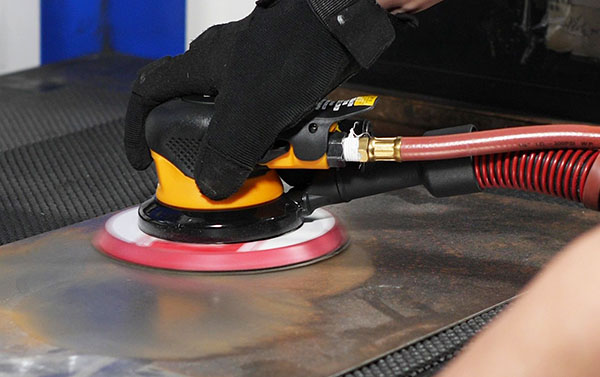
In addition to these tools, a pneumatic sander is essential for achieving smooth, even surfaces in woodworking and finishing projects. Pneumatic sanders come in various types, including orbital, belt, and disc sanders, each suited for different applications. The powerful and consistent performance of pneumatic sanders ensures that you can achieve high-quality finishes with minimal effort. Their lightweight and ergonomic design reduce user fatigue, allowing for longer sanding sessions without compromising on results.
In conclusion, mastering the use of pneumatic air tools involves understanding their mechanics, recognizing their advantages, optimizing their performance through proper air pressure and flow rates, and equipping your workshop with essential tools. By following these expert tips, you can unlock the full potential of your pneumatic tools and elevate your craftsmanship to new heights. Whether you are a seasoned professional or a DIY enthusiast, the power, efficiency, and versatility of pneumatic tools make them an invaluable addition to any workshop.